Can Alcohol Use Influence the Anion Gap?
What Is the Anion Gap?
The anion gap is a computed value that helps doctors assess the balance of charged substances, or electrolytes, in the blood. It is not a directly tested number. Instead, it is obtained from common lab values such as sodium, chloride, and bicarbonate. Because it represents the connection between these blood chemistry components, the anion gap can provide important clues about acid-base balance and whether there is an electrolyte imbalance or other metabolic disorder.
In simple terms, the anion gap helps reveal whether extra acids are building up in the body. A elevated value may suggest metabolic acidosis, while a below-normal result can point to other issues such as low protein levels in the blood. For many clinicians, this number is one piece of the broader clinical significance of a lab panel, especially when paired with symptoms and other test results.
The calculation is often used as part of broader lab interpretation. While different laboratories may use slightly different methods, the result is usually compared with a normal range or reference interval. A result outside that range does not confirm a condition by itself, but it can suggest that something is affecting the body’s chemistry and may require a more complete evaluation.
In practical terms, the anion gap is often most helpful when a person has signs of illness that could reflect increased acids, decreased bicarbonate, or toxin exposure. It can help uncover hidden problems before they become severe.
How an Anion Gap Calculator Works
An anion gap calculator is an instrument that relies on laboratory values from a blood test to determine the anion gap. The most common inputs are sodium, chloride, and bicarbonate. Because the calculation is based on routine lab values, the calculator can be an efficient way to understand whether the result falls within the expected reference interval.
The general concept is straightforward: sodium is compared with chloride and bicarbonate to estimate whether unmeasured acids or other charged particles may be present. If the bicarbonate is low, that often suggests the body is using up buffering capacity to neutralize extra acid. A low bicarbonate result can be an key indicator in a case of acid-base balance disturbance.
Although the exact calculation can vary slightly by laboratory, the anion gap calculator is useful because it turns routine chemistry data into an interpretable marker of possible disease. Clinicians use it to evaluate symptoms, monitor a known condition, or guide a broader diagnostic workup. The value is especially helpful when there is concern for a metabolic disorder that may be causing acidic blood.
It is important to remember that the calculator does not replace medical judgment. A result should always be interpreted along with the rest of the blood chemistry panel, physical symptoms, and other findings. In some cases, albumin level can also affect the result, which is why the answer may change when a person has a low protein state.
Can Alcohol Consumption Elevate the Anion Gap?
Yes, alcohol use can raise the anion gap in some cases. Alcohol itself does not routinely change the number, but alcohol-related illness can cause conditions that do. The most important of these are metabolic acidosis, lactic acidosis, and the buildup of ketones. These processes add to unmeasured acids in the blood, which can lead to a high anion gap.
One reason this happens is that heavy alcohol intake can disrupt normal metabolism, nutrition, and hydration. A person may stop eating, vomit repeatedly, or become dehydrated, all of which can push the body toward acid production. Alcohol can also contribute to organ dysfunction, especially if the liver is affected or if poor intake has led to low energy stores.
In some cases, alcohol-related changes are mild at first. The anion gap may be the first abnormal clue on a lab report, even before symptoms become dramatic. That is why clinicians often use the anion gap calculator as part of a broader assessment when alcohol use is suspected to be contributing to illness.
When alcohol raises the gap, the underlying issue is usually not the drink itself but the cascade of metabolic effects that follow. These effects can increase acids, decrease bicarbonate, and push the body away from normal pH control.
Alcohol-Related Ketoacidosis and the Anion Gap
Alcoholic ketoacidosis is one of the key alcohol-related causes of a high anion gap. It often develops when alcohol use is followed by poor food intake, prolonged starvation, and dehydration. In this state, the body burns fat for fuel and produces ketones, including beta-hydroxybutyrate, which can rise fast.
Because ketones are acidic, they contribute to metabolic acidosis. As the acids rise, bicarbonate drops while the anion gap increases. This is one reason the condition can become serious. A person may look ill, weak, or confused, and the lab pattern may show a marked increase in unmeasured acids.
BHB is particularly crucial because it can be a major ketone in alcoholic ketoacidosis. When this ketone rises, it signals that the body is in a state of marked metabolic stress. In this setting, the anion gap calculator can assist point out the need for further testing and treatment.
Alcoholic ketoacidosis is not the same as diabetic ketoacidosis, but the lab pattern may overlap. Each can show higher ketones, reduced bicarbonate, and a high anion gap. The difference lies in the underlying cause, which is why a careful clinical review is important.
Other Alcohol-Related Causes of High Anion Gap
Alcohol can elevate the anion gap in other ways as well. Severe dehydration and repeated vomiting can worsen worsening metabolic stress and reduced circulation, which may increase acid production. Vomiting also makes it harder to maintain normal intake, further encouraging starvation and ketone formation.
Lactic acidosis may also occur when alcohol use leads to poor oxygen delivery, liver stress, or other complications that interfere with lactate clearance. Lactate is an acid, so when it accumulates, the anion gap can increase. This is one reason a high result should not be overlooked as a simple laboratory quirk.
Another major concern is exposure to toxic alcohols. Substances such as methanol and ethylene glycol can cause a dangerous toxin exposure pattern that leads to severe acid buildup. These ingestions are medical emergencies because they can rapidly cause organ dysfunction, vision loss, kidney injury, or death if not treated quickly.
In these cases, the anion gap can be an early warning sign. A person may present with nausea, abdominal discomfort, worsening confusion, or rapid breathing. The lab result helps guide urgent diagnostic workup and treatment decisions.
Can Alcohol Decrease the Anion Gap?
Yes, alcohol drinking can sometimes be associated with a low anion gap, although this is less common than a high result. A main of the main reasons is low albumin, which means the blood has too little albumin. Since albumin carries a negative charge and is part of normal blood chemistry, low albumin can lower the measured gap.
Low albumin may occur in people with chronic illness, malnutrition, liver disease, or poor intake related to alcohol use. In this setting, the lab values may show a misleadingly low anion gap even when another serious problem is present. This is why the result must always be interpreted in context rather than viewed in isolation.
Changes in albumin levels can affect the full interpretation of the blood chemistry panel. A person may have a normal-looking anion gap that hides a real acid-base disorder, or a low number that reflects protein changes rather than a primary acid problem. This is an important reason accurate laboratory results matter so much in medical assessment.
Recognizing the relationship between albumin and the anion gap helps explain why alcohol-related illness can sometimes produce unexpected results. The key is to look at the broader picture of nutrition, liver function, hydration, and acid-base balance.
Symptoms That Can Occur Along With a Worsened Anion Gap
An unusual anion gap may not always produce noticeable symptoms in isolation. Rather, the signs usually come from the main cause. If alcohol use has led to metabolic problems, a person may notice nausea, abdominal pain, confusion, or rapid breathing.
Abdominal pain and nausea are common in alcoholic ketoacidosis and in other conditions that cause acid buildup. Mental confusion can appear when the body is under stress, as acid levels increase, or when dehydration affects normal brain function. Fast breathing may occur as the body tries to compensate for acidosis by expelling carbon dioxide.
The severity of symptoms can vary depending on the underlying condition. Some people have mild discomfort and few outward signs, while others develop significant illness quickly. That is why symptom severity should always be taken seriously when a lab abnormality is present.
Other warning signs may include weakness, poor appetite, repeated vomiting, or unusual sleepiness. As these symptoms can overlap with poisoning, infection, or other serious illness, they should not be assumed to be from alcohol alone.
When a High Anion Gap Needs Urgent Treatment
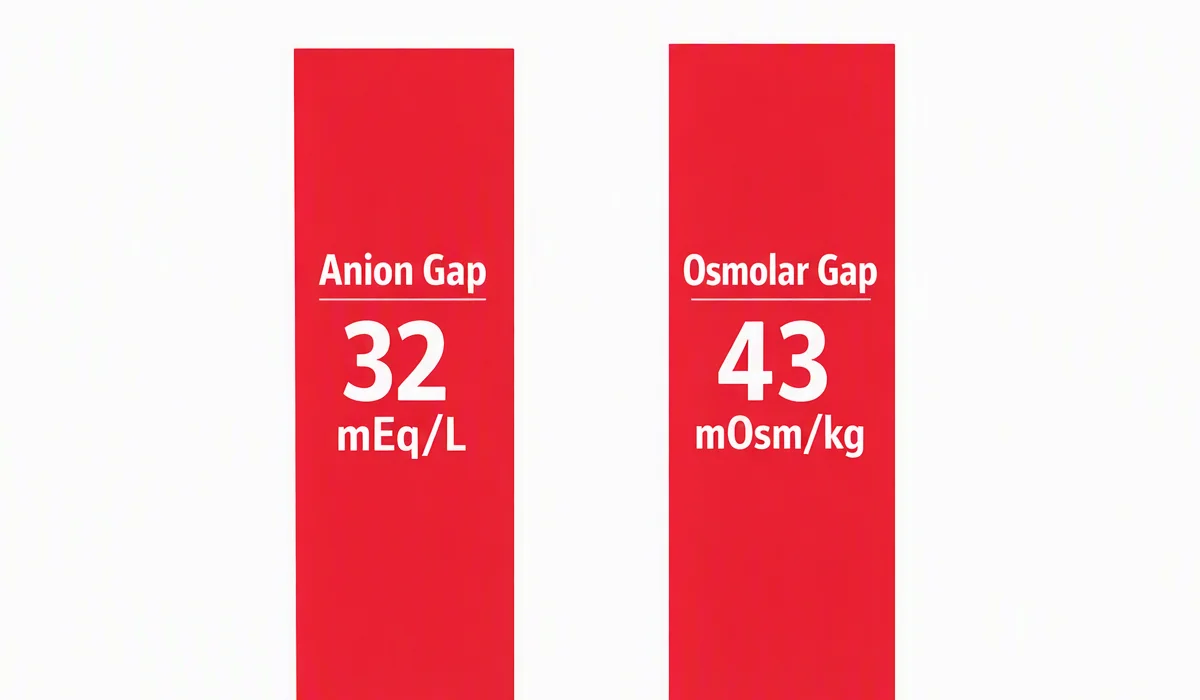
A increased anion gap can call for urgent treatment when it is connected with severe acidosis, confusion or disorientation, or possible toxin exposure. These are not results to monitor casually at home. They may suggest a dangerous underlying cause that needs swift evaluation and treatment.
Urgent attention is especially important if a person has quick or deep breathing, more confusion, repeated vomiting, fainting, chest pain, or dehydration symptoms that are getting worse. These could mean a major metabolic crisis. A person with suspected toxic alcohol ingestion should be treated as an emergency even if symptoms seem mild at first, because the condition can escalate fast.
High anion gap states related to alcohol use can become life-threatening if untreated. Severe acidosis can affect the heart, brain, and other organs. The risk rises further if there is organ dysfunction, infection, or toxin exposure at the same time.
If the anion gap is elevated and the person appears ill, clinicians may use the result as part https://anion-gap-estimator734.scriblorax.com/posts/what-are-undetected-anions-in-blood of a rapid emergency workup. The goal is to determine the cause, steady the patient, and correct the acid-base disturbance before complications develop.
How Doctors Identify the Cause of an Abnormal Result
Clinicians usually begin with a basic metabolic panel, which includes sodium, chloride, bicarbonate, and associated lab values used to calculate the anion gap. If the result is abnormal, they often broaden the evaluation with a blood gas to assess pH and the extent of acidosis. This helps confirm whether the person has a true acid-base problem.
Further testing often includes glucose, lactate, kidney function tests, and occasionally ketone measurements. If alcohol-related ketoacidosis is possible, ketones and beta-hydroxybutyrate may be especially useful. If there is concern for toxic ingestion, clinicians may order specific toxicology studies and assess for methanol or ethylene glycol exposure.
The diagnostic workup also depends on the person’s symptoms, alcohol history, hydration status, nutritional status, and possible underlying condition. In some cases, the problem may be a combination of factors, such as vomiting, dehydration, and decreased bicarbonate from ketoacidosis.
Because the anion gap is only one clue, the full interpretation depends on the whole clinical picture. That is why a thorough medical evaluation is important when the result does not fit the expected normal range or reference interval.
Essential Insights on Alcohol and the Anion Gap
Drinking alcohol can affect the anion gap in several clinically important ways. The most common concern is a high anion gap from alcohol-related acidotic state, especially alcoholic ketoacidosis, lactic acidosis, dehydration, vomiting, or toxic alcohol exposure. In other situations, alcohol-related illness may contribute to a decreased anion gap, often through low blood albumin and low albumin.
The best way to understand an abnormal result is through proper review of the full blood chemistry panel and related tests. An Anion Gap Calculator can help determine the pattern, but it does not reveal the cause by itself. A careful clinical evaluation is needed to determine the root cause and decide whether treatment is urgent.
If the result is abnormal after alcohol use, the next step is usually follow-up testing, symptom review, and, when needed, prompt treatment. The combination of lab findings and symptoms provides the most useful view of risk. In this way, the anion gap becomes a practical tool for identifying serious illness early and directing appropriate follow-up.
FAQ
Does alcohol cause an elevated anion gap?
Yes. Drinking alcohol can lead to a high anion gap when it causes alcoholic ketoacidosis, lactic acidosis, dehydration, vomiting, or toxic alcohol exposure. The alcohol itself is not always the direct cause, but alcohol-related metabolic changes can increase acids in the blood and lower bicarbonate.
What is alcoholic ketoacidosis and how does it affect the anion gap?
Alcoholic ketoacidosis is a metabolic problem that can happen after heavy alcohol use, poor food intake, starvation, and vomiting. The body produces ketones, especially beta-hydroxybutyrate, which are acidic and raise the anion gap. This usually causes metabolic acidosis and a high anion gap result.
Can alcohol ever lower the anion gap?
Yes. Alcohol consumption can be associated with a low anion gap if it causes hypoalbuminemia. As albumin helps affect the calculation, low albumin can lower the measured gap even if another illness is present. This is why lab interpretation must consider the full clinical context.
What symptoms may happen if the anion gap is abnormal after alcohol use?
Symptoms may include nausea, abdominal pain, confusion, and rapid breathing. Other possible signs are vomiting, weakness, poor appetite, or unusual sleepiness. These symptoms often suggest the underlying acid-base problem rather than the anion gap number itself.
When should someone seek urgent care for a high anion gap?
Urgent care is needed if a high anion gap is accompanied by severe acidosis, altered mental status, rapid worsening symptoms, or concern for poisoning. Possible toxic alcohol exposure, such as methanol or ethylene glycol, is a medical emergency. Prompt evaluation can prevent serious complications and organ dysfunction.